
What helps the softer parts of a garden last
Site conditions checked first
Light, soil and drainage are assessed before softer features are planned.
Better links around hard areas
Lawns and beds help paths, patios and boundaries sit more naturally.
Support after installation
Maintenance can help new soft areas settle without being neglected.
Soft landscaping gives the structural work something to settle into
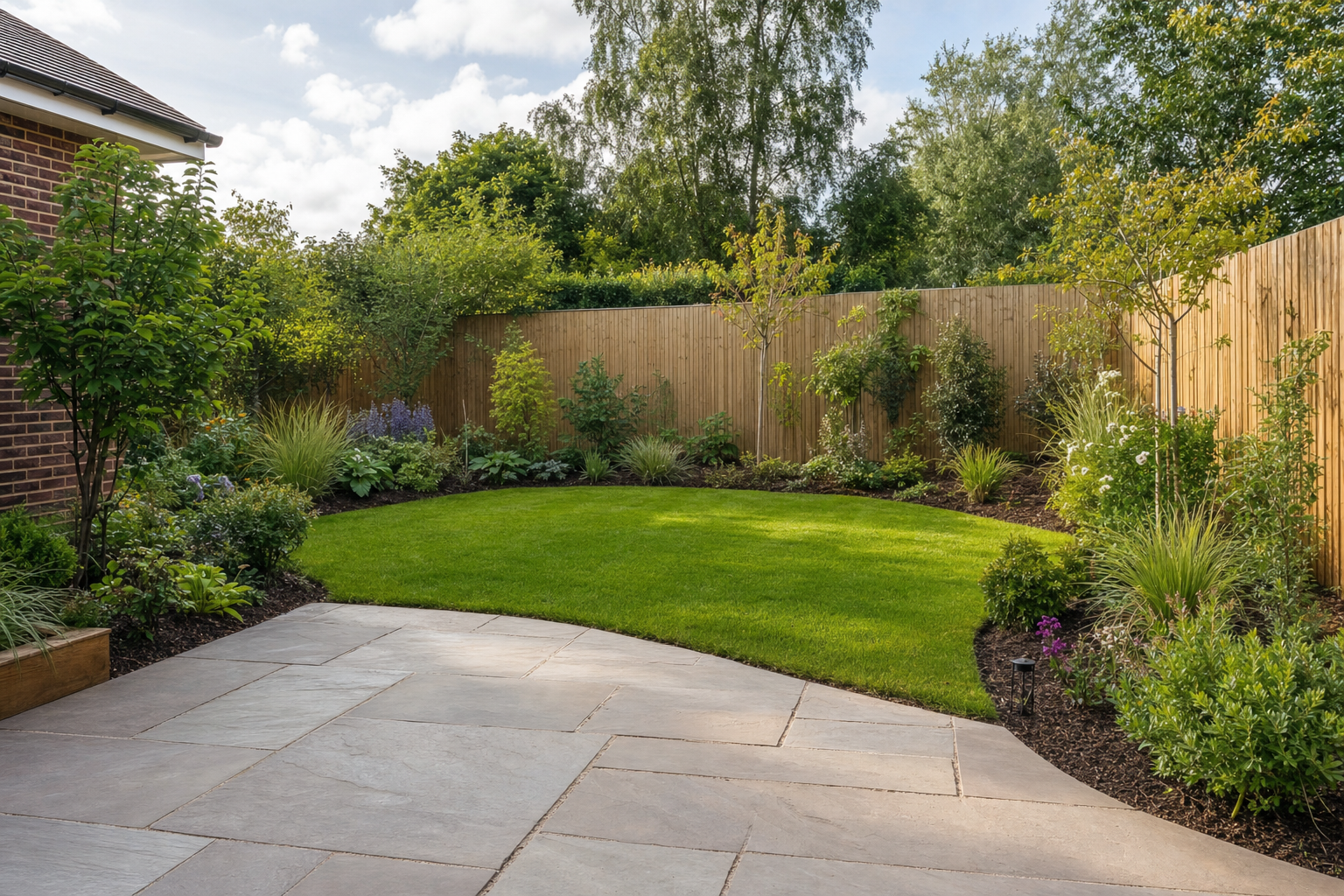
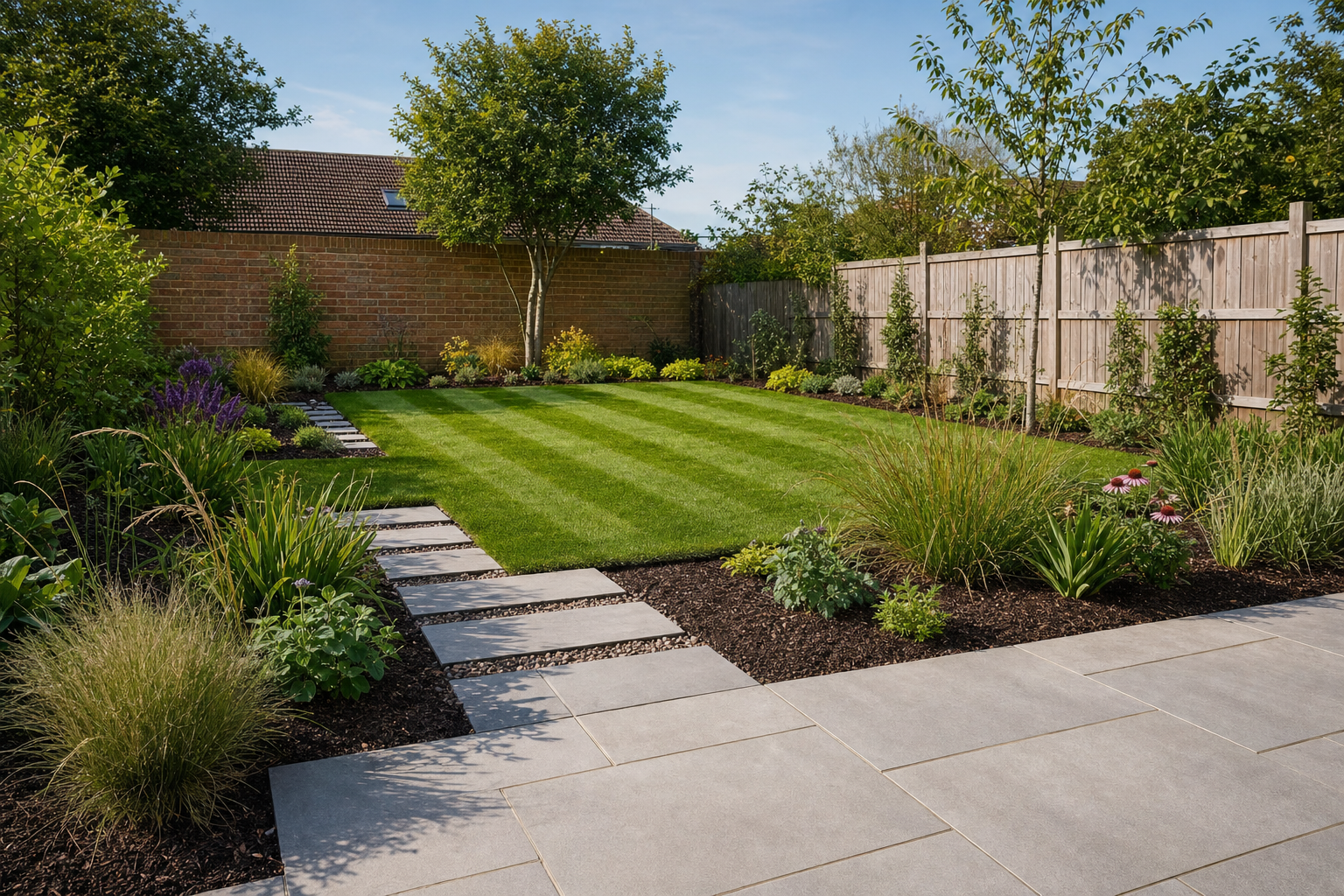
A garden rarely feels complete when it is only hard surfaces and straight edges. Soft landscaping brings in the living parts of the space, including lawns, soil preparation, planting areas and the finishing work around patios, paths and boundaries. With MW Landscapes Sussex Ltd, we look at soil condition, drainage, light, exposure and the amount of upkeep you actually want before deciding how the softer parts of the garden should be arranged. That matters because a scheme can look fine on the day it is finished and still be awkward six months later if the conditions and maintenance needs were never properly considered.
Establishment matters after the day the work is finished
Preparation of beds and lawn areas, improvement of levels and soil, planting layout and the early establishment period all affect how successful soft landscaping will be. Seasonal change, mature plant size, watering needs and ongoing care need to make sense for the garden and for the person looking after it. Soft landscaping also helps structural features feel more settled by easing the transition around patios, paths, fencing and other built elements. If you want ongoing help afterwards, garden maintenance can be arranged as well.
Frequently asked questions
What counts as soft landscaping in a garden?
Soft landscaping covers the living and cultivated elements of the space, such as lawns, soil preparation, planting areas and the softer finishing work around structural features. It is the part of the garden that grows, changes with the seasons and needs planning around real site conditions.
Why do soil and drainage matter before planting or turfing?
Because they affect how well new soft areas establish and how much trouble they cause later. Poor drainage, compacted soil or the wrong conditions for the chosen layout can leave lawns and beds struggling from the start. We assess those basics before deciding what should go where.
Can soft landscaping be added after hard landscaping?
Yes, and it often should be planned that way so the softer elements can tie the structure together. Beds, lawn edges and planting areas can soften the look of patios, paths and fencing and help the whole garden feel more balanced. The two sides work better when considered together.