
What helps block paving stay practical
Useful for several areas
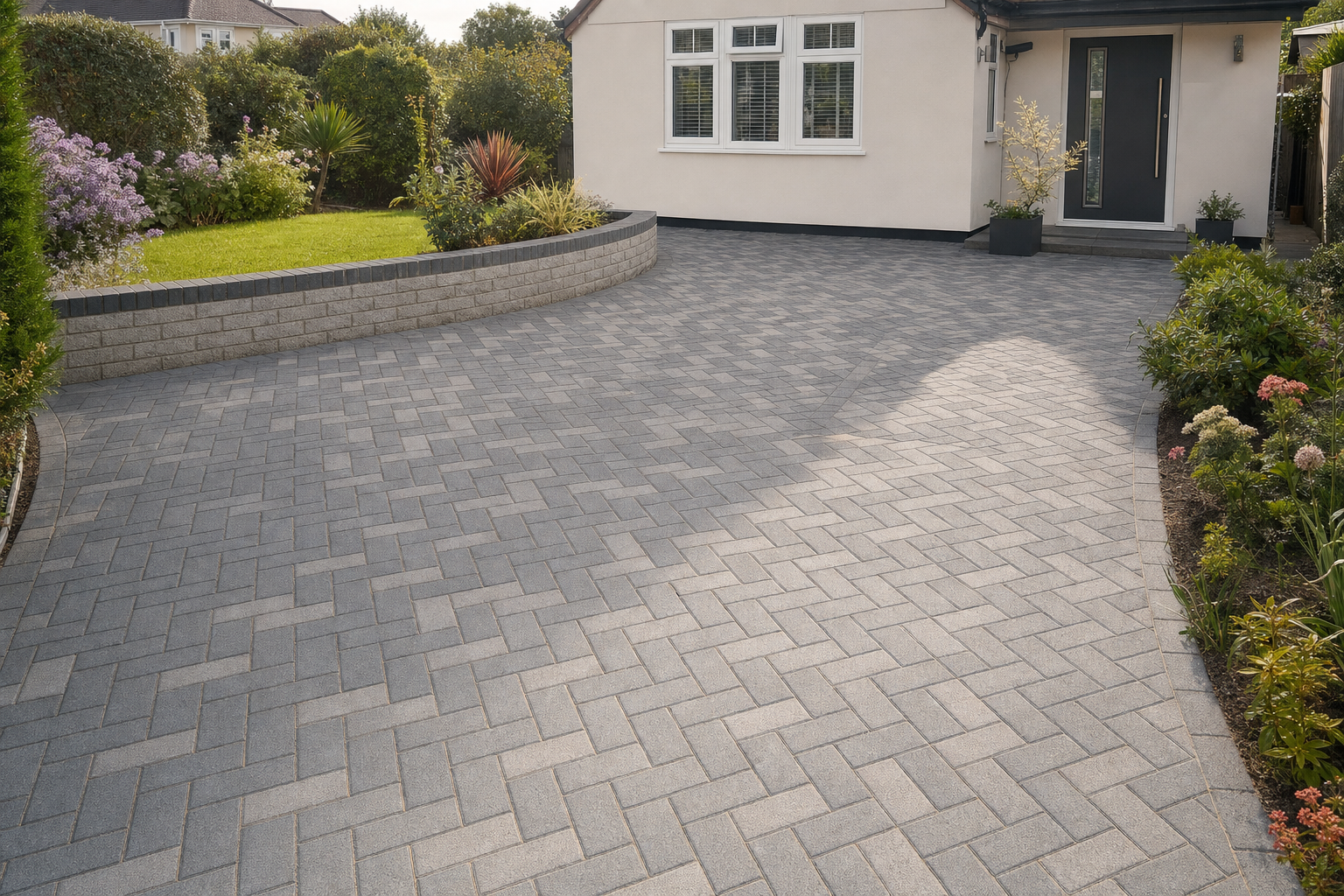
It can suit driveways, patios and defined walking routes in one scheme.
Patterns with a purpose
Borders and layouts shape the look without losing everyday function.
Repairs can stay local
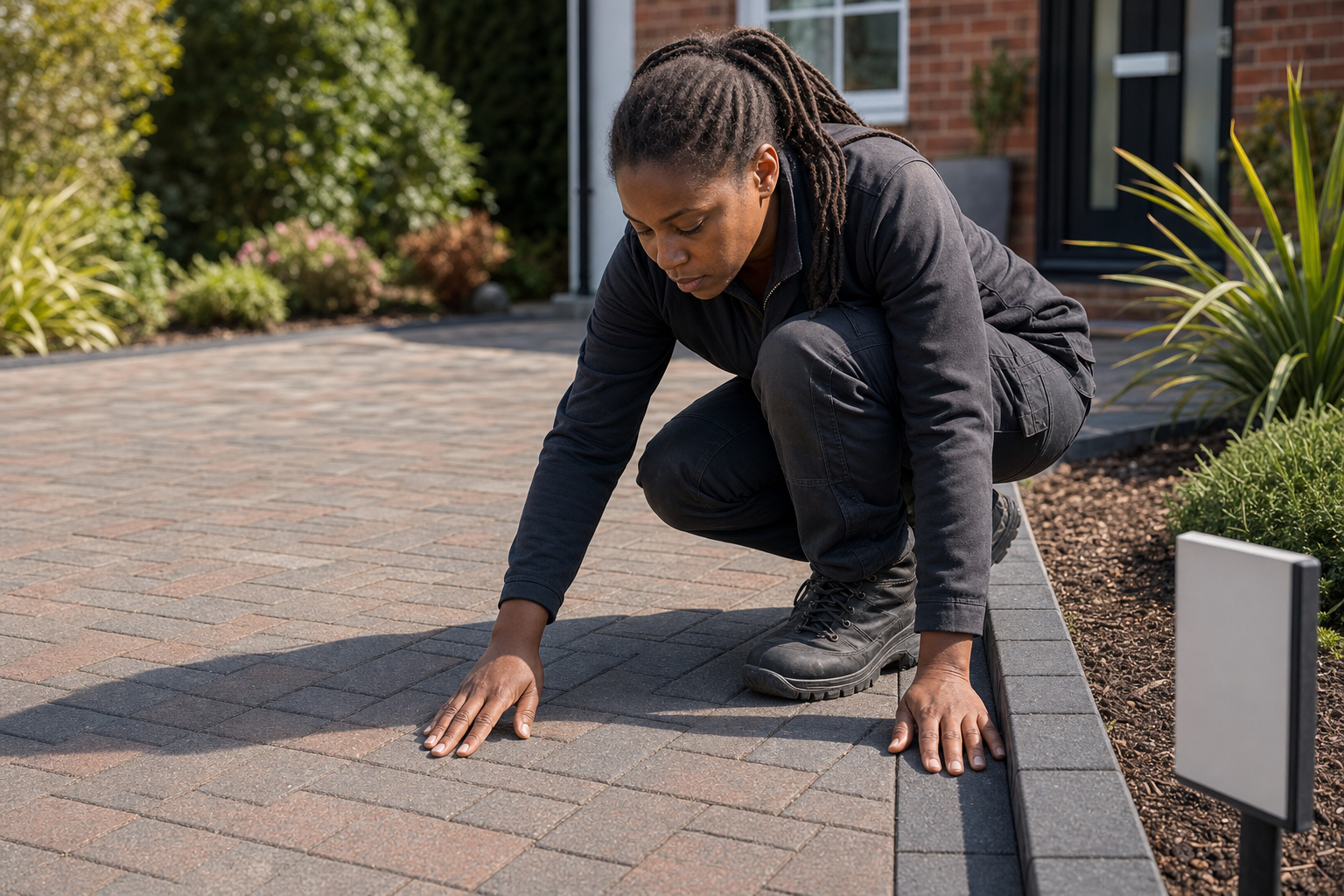
Individual blocks can often be replaced without remaking everything.
Block paving gives you flexibility in both look and use
Block paving works well when you want a surface that can handle practical use and still give you some control over the finished pattern and detail. It suits patios, driveways and pedestrian areas, and it is especially useful if you want borders, contrasting colours or a layout that feels more tailored than a plain run of paving. With MW Landscapes Sussex Ltd, we look at the way the area will be used first, because the preparation for a driveway is not the same as the preparation for a patio. That decision affects excavation depth, the sub-base, edge restraint and the final build. The visible finish matters, but it only lasts if the structure below it does its job.
Preparation, edges and drainage all affect durability
The process includes excavation, compacted sub-base construction, laying course preparation, block placement, cutting, jointing and final compaction. We can also talk through block size, colour, laying patterns, borders and contrasting details to shape the look of the finished surface. Stable edges and sensible falls are important, especially where the paved area meets lawns, paths or the highway. One practical advantage of block paving is that individual units can often be replaced later if a local issue develops, which many customers value over time.
Frequently asked questions
Is block paving better for a driveway or a patio?
It can work well for both, but the base preparation changes with the load the surface must carry. A driveway needs stronger support underneath than a patio used mainly for seating and walking. We assess the intended use first, then build the paving to suit that job properly.
Can block paving include borders or contrasting colours?
Yes. Block size, colour, laying pattern and border details can all change the final look. Some people want a simple, clean finish. Others prefer more definition around the edges or a contrast between the main field and the perimeter. We can discuss those choices during the planning stage.
Does block paving need drainage planning?
Yes, as with any hard surface. The area needs suitable falls and stable edges so water moves away sensibly and the paving stays in place over time. Drainage becomes even more important on larger areas and on driveways, where standing water quickly becomes a daily nuisance.