
What makes a patio easier to live with
Materials that suit the job
We help you compare texture, finish and upkeep before you commit.
Planned around real levels
Thresholds, slopes and lawn links are considered from the start.
Built for daily use
A stable surface makes carrying furniture, food and feet far less awkward.
A patio should make the garden easier to use
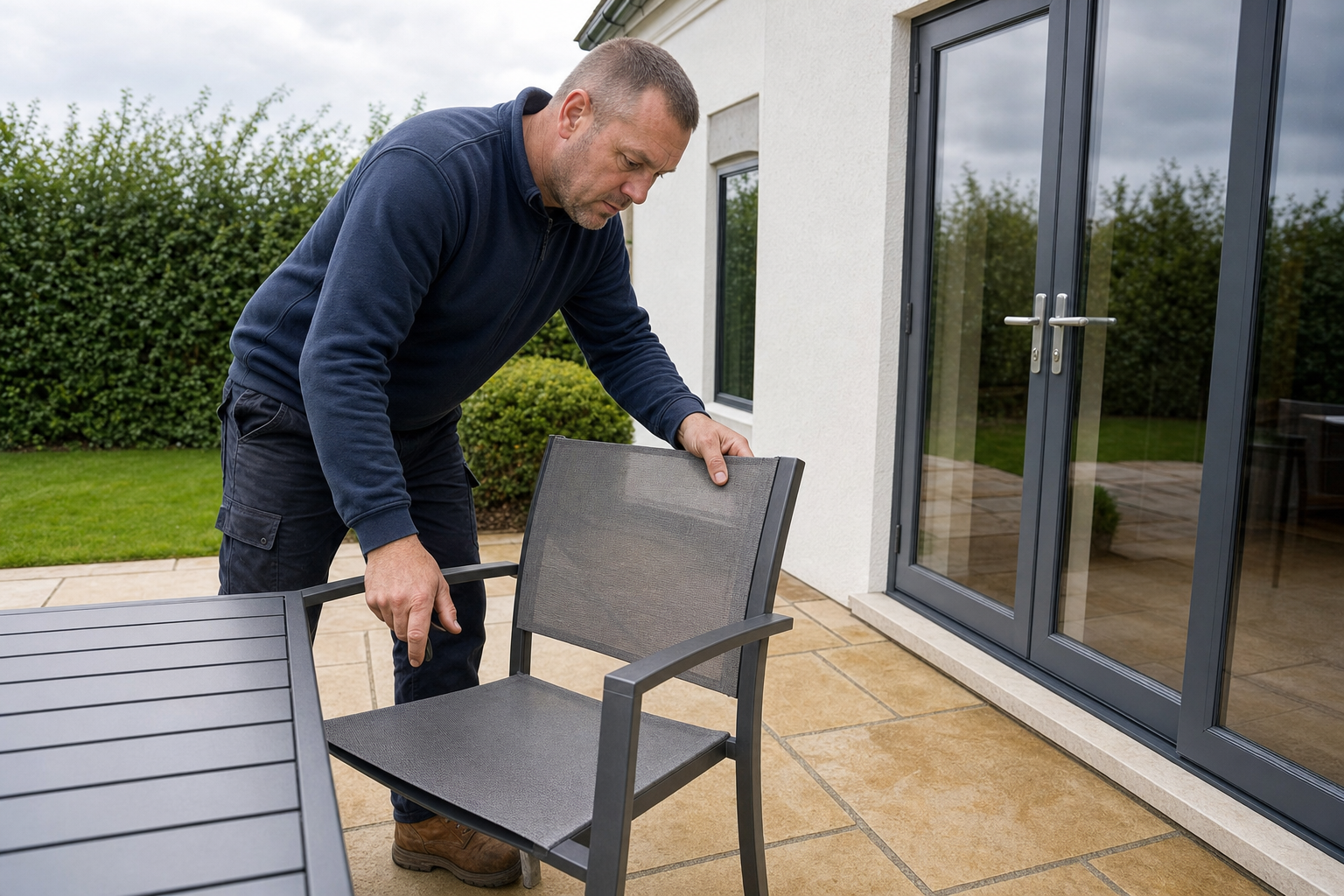
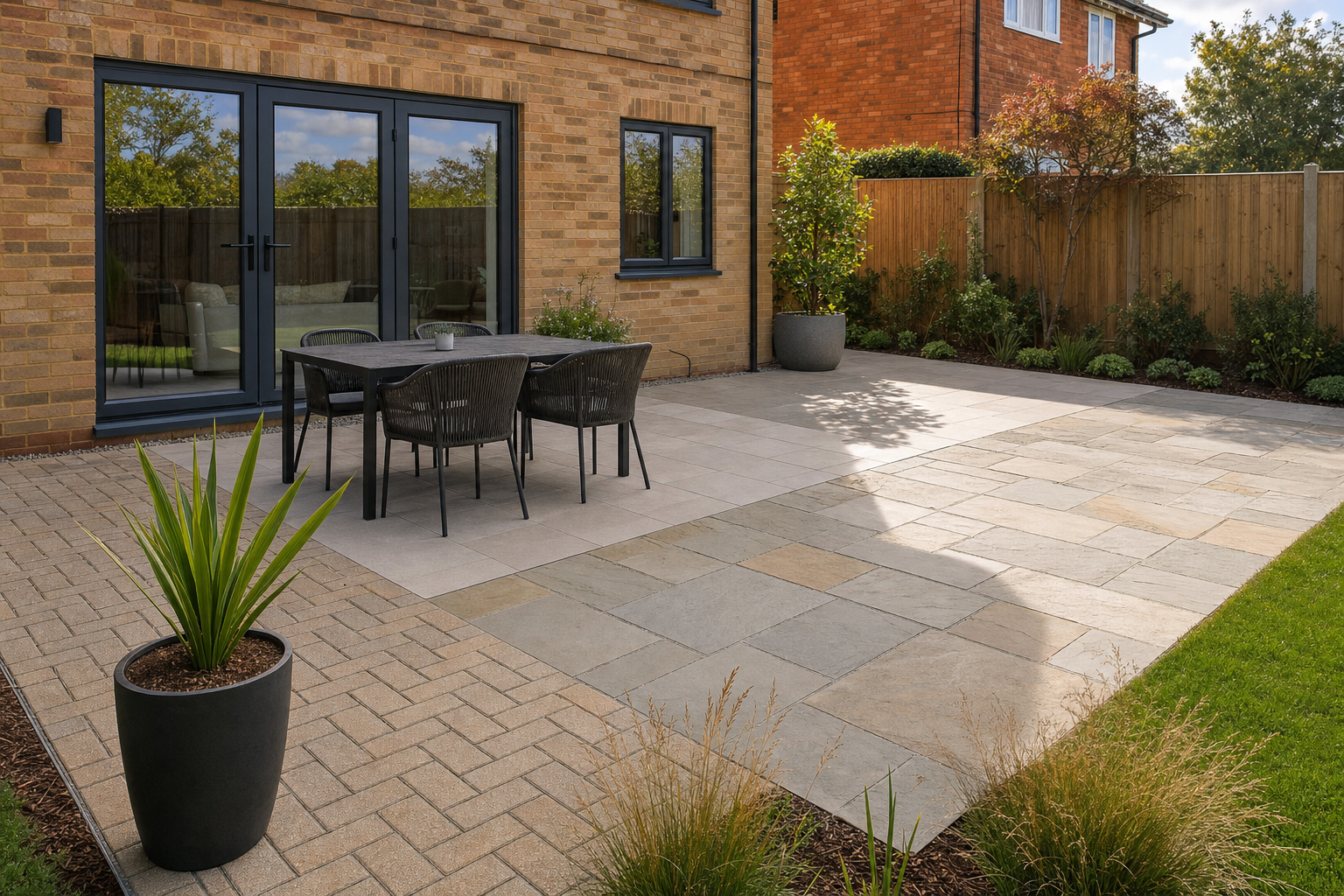
If the bit outside the back door turns muddy in winter, wobbly in summer or awkward whenever you carry chairs out, a well-built patio usually solves more than one problem. It gives you a stable place for seating, dining and moving through the garden without hopping from firm patch to firm patch. With MW Landscapes Sussex Ltd, we plan the surface around how you use the space, then help you compare Indian sandstone, porcelain and block paving. Each has a different look, feel underfoot and level of routine care, so it is worth talking that through before any digging starts. Size, shape, steps, thresholds and links to lawns or paths all affect how comfortable the finished area feels day to day.
The unseen groundwork matters just as much
A patio lasts better when the base is right and the water has somewhere sensible to go. We look at excavation depth, sub-base preparation, falls for surface water, laying patterns, jointing and neat edge treatment before the slabs or blocks go down. That is especially important where levels change, the space meets the house or the new surface needs to line up with paths and grass. We can also talk through contrasting finishes and layout styles, so you can compare a simple seating area with something that wraps round the garden more naturally.
Frequently asked questions
Which patio material is easiest to live with?
That depends on what matters most to you. Porcelain gives a cleaner, more uniform look and is often chosen for lower routine care. Indian sandstone has more natural variation. Block paving suits patterned layouts and repairs well. We talk through finish, texture and upkeep before work begins.
Does a new patio need drainage planning?
Yes, because a flat-looking patio still needs the correct falls to move rainwater away from the house and stop puddles sitting on the surface. We plan levels, thresholds and adjoining areas carefully, so the patio works with the garden rather than sending water to the wrong place.
Can you connect a patio to paths or lawns?
Yes, and it usually makes the garden feel far more joined up. We can plan the patio to meet a path, step down to a lawn or line up with another seating area. Those connections affect the finished levels and edge details, so they are better decided early than guessed on the day.