
What helps a driveway hold up better
Surface choice with purpose
Different materials suit different levels of traffic, movement and upkeep.
Room to park sensibly
We plan for usable parking and turning, not just a nice outline on paper.
Drainage considered early
Water movement is built into the plan, so puddles are less likely to linger.
A driveway needs to work before it starts looking smart
If parking feels tight, turning out is awkward or the front surface breaks up under the weight of the car, a new driveway needs more thought than simply choosing a finish. We shape the layout around your property, how many vehicles you need to fit on it and how you move between the car, the pavement and the house. With MW Landscapes Sussex Ltd, you can compare slabs, decorative stone, shingles, block paving and tarmac. Each behaves differently in use, in maintenance and in the way it frames the front of the property. It is not glamorous, but getting in and out without a three-point shuffle every morning matters more than people admit.
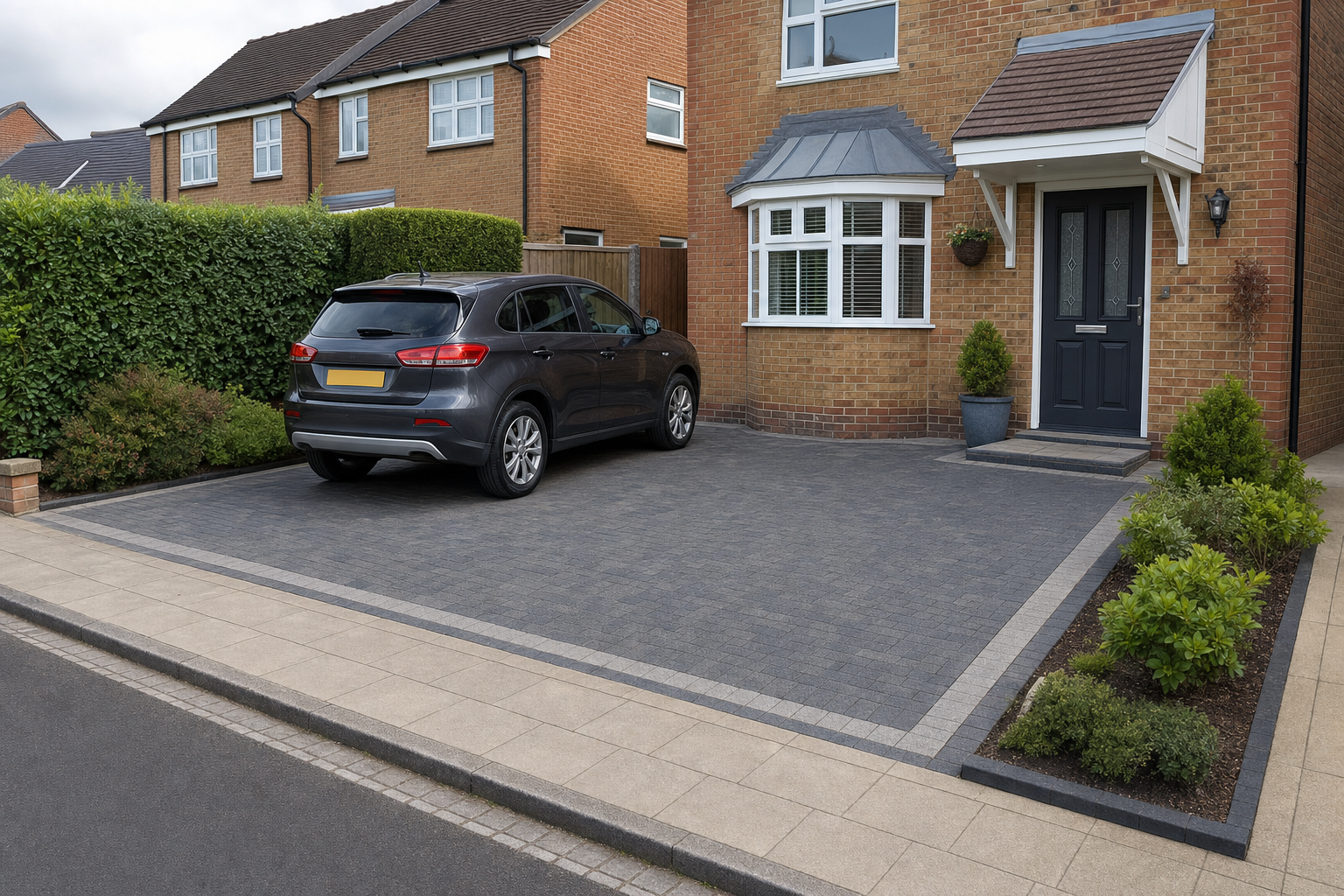
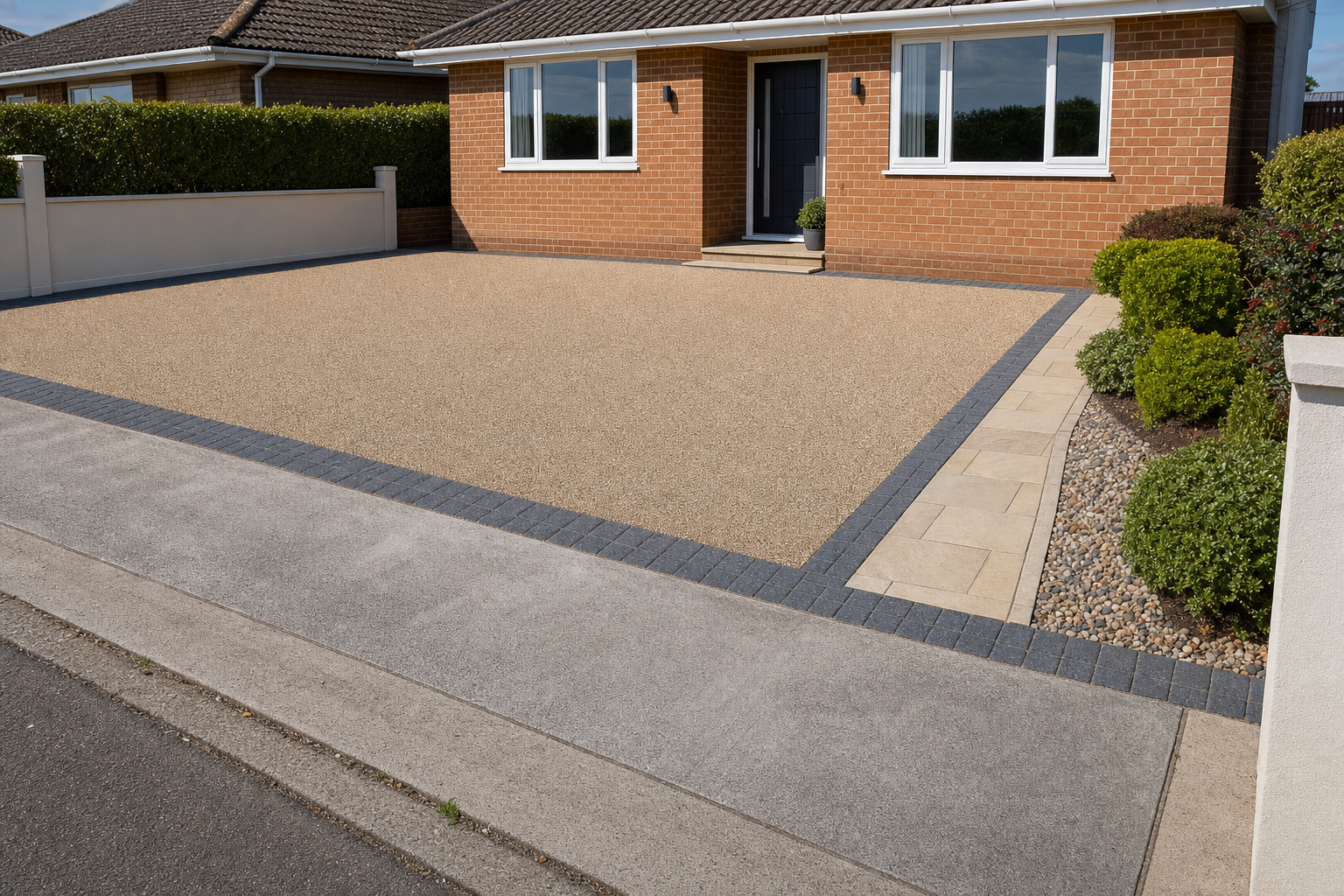
Strong preparation helps the surface stay put
Vehicle areas need proper excavation depth, a load-bearing sub-base, firm edge restraints and sensible drainage. We also look at gradients, parking capacity, turning space and how the new surface meets the highway or garage. Ground condition, access to the site and the amount of material needed all affect planning, so an early visit is useful. That way, we can talk through what suits the space rather than forcing a decorative choice onto a driveway that has to do a practical job every day.
Frequently asked questions
Which driveway surface is best for regular car use?
There is no single best option for every property. Block paving is flexible and practical to repair, tarmac gives a simple durable finish, and decorative stone or shingles suit some settings better than others. We compare use, movement, maintenance and appearance before you choose.
Do you need to inspect the ground first?
Yes, because the ground condition, excavation depth and access all affect how the driveway should be built. A surface that carries vehicles needs the right support underneath. The first visit helps us assess the area properly instead of guessing from a rough description alone.
Can a driveway be planned around turning space?
Yes. Parking capacity is only part of the picture. We also look at how you enter, reverse, turn and walk around the vehicles, plus where doors open and how the driveway meets paths or the garage. Those small practical points often make the biggest difference once the work is done.